For many industrial crane operators, it is quite natural to trust the supplied documentation and believe that a stamped piece of paper means 100% certainty. A Client who operates several cranes in their production facility turned to us with a similar situation.
What problem did our Client face?
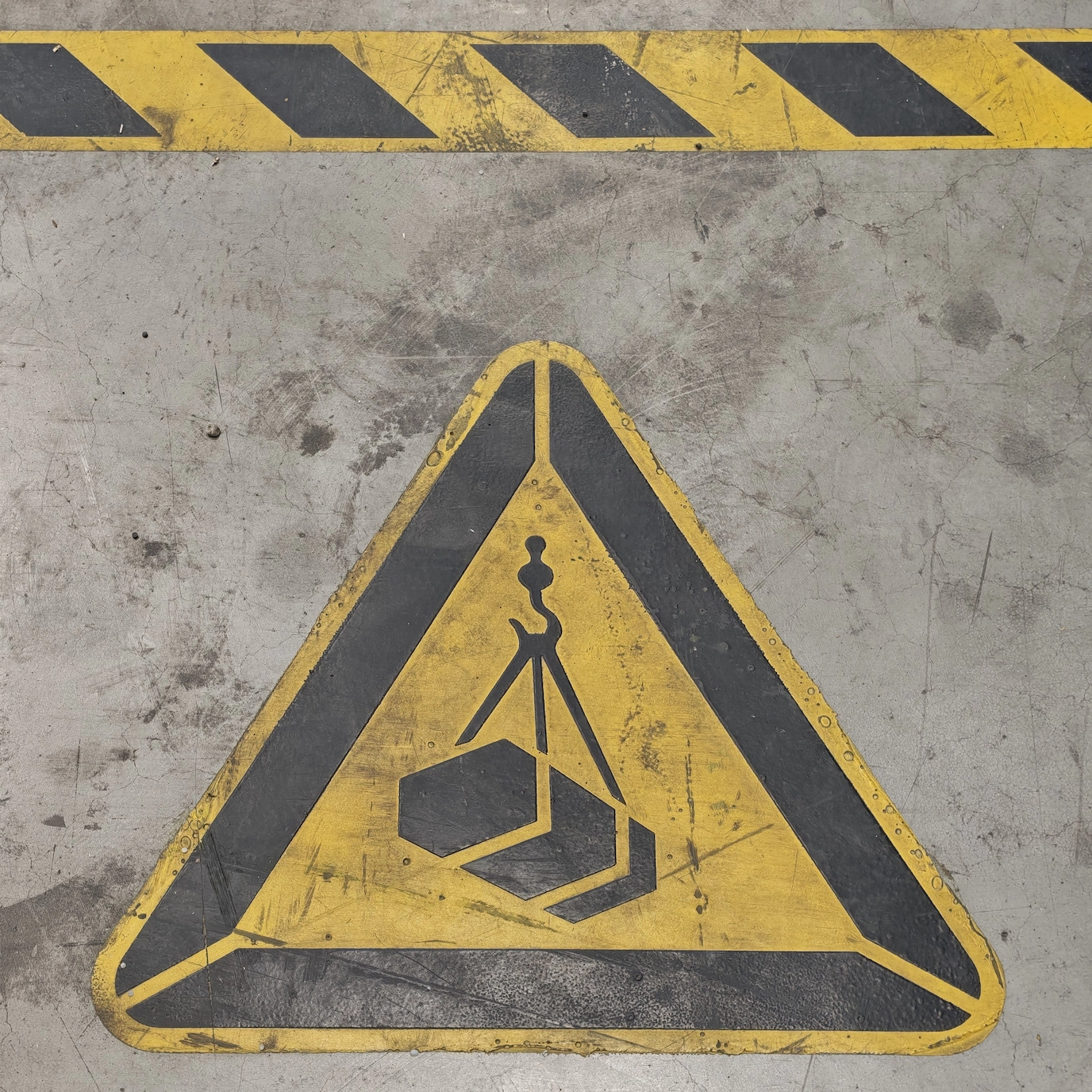
The situation escalated after they invited an inspector to the plant. He informed them of an unpleasant reality: the technical documentation for the equipment is incomplete and the previous inspections were not carried out correctly and are therefore invalid.
During our subsequent audit of the original protocols, the inspector’s words were confirmed. We found that the previous technician performed inspections only on the hoists themselves, while the travel mechanisms and load-bearing structures of the cranes went completely unnoticed. Imagine taking your car for an inspection and the technician checks only the engine, but completely ignores the chassis and brakes. Such an incomplete protocol does not stand up, because the technical eligibility of the crane depends on the whole, not just on its lifting mechanism.
Tip for you: If your protocol only lists the type and brand of the hoist in the “subject of the test / inspection” column, it is highly likely that a full inspection was not performed on your equipment.
In this specific case, the cranes had parameters for which an official inspection was not legally required, so the client was not missing this obligation.
From our practice, however, we add this as a warning – a missing official test is one of the shortcomings we commonly encounter during crane inspections. We strongly warn you: without a valid official inspection, a crane belonging to group A.a) must not be used – regardless of how many regular inspections have been performed on it! It is exactly the same as if you regularly took your car to a service center for an oil and filter change, but you never passed a mandatory vehicle inspection (STK). The car might be in good condition, but you cannot legally use it.
Find out for which types of cranes an official test is required in our article.
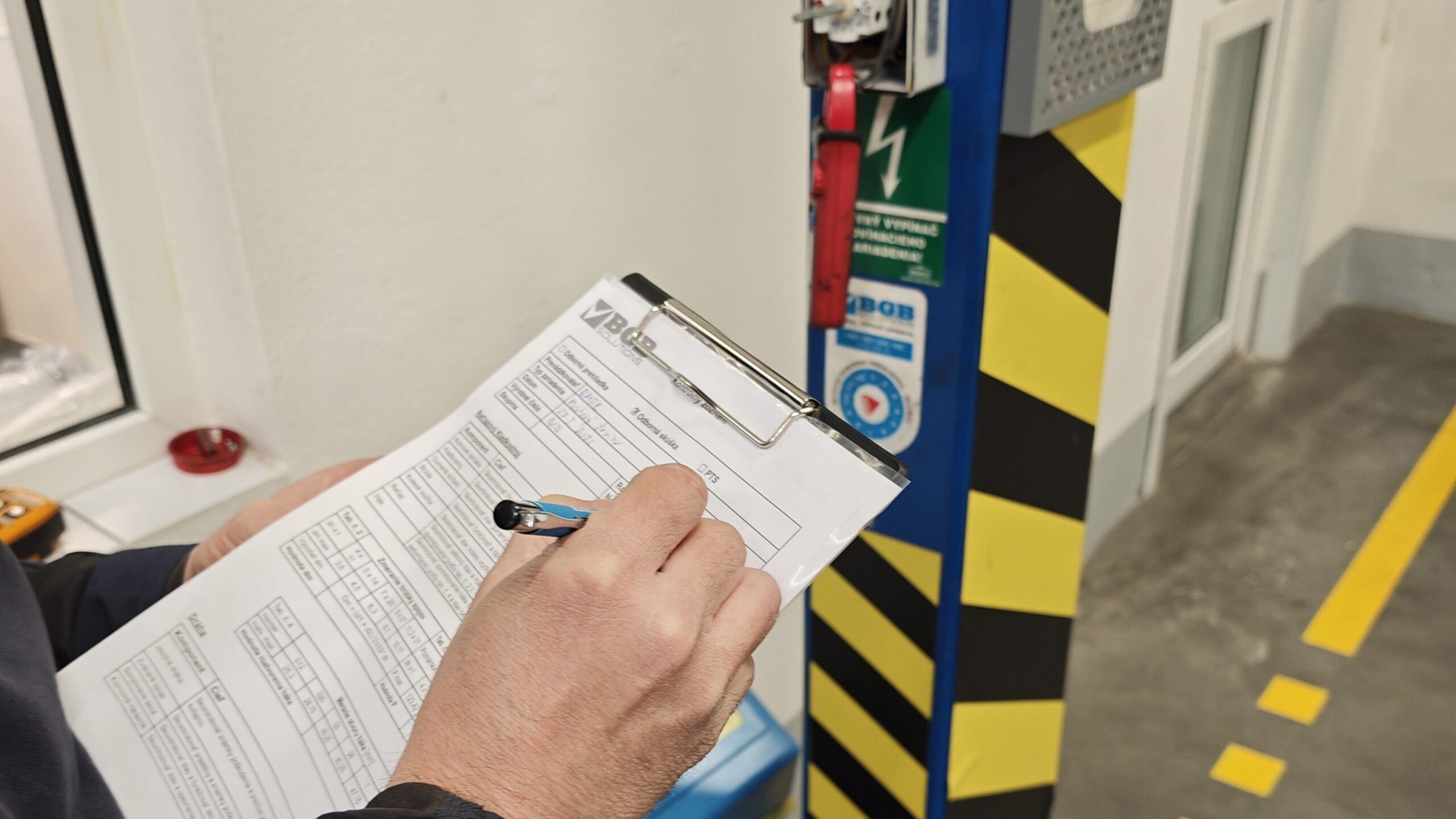
The Client had a different, yet fundamental problem – missing technical documentation, without which legal operation is not possible. Although they had some of the necessary paperwork available, several important technical documents were missing. Among the missing documents was, for example, the user manual. However, the crane operator must legally be acquainted with it in order to operate the equipment safely.
How did we solve the situation and legalize the cranes?
We took the whole problem into our own hands. First of all, we had to complete the technical documentation for all the cranes. We secured some of the missing documents directly from the equipment manufacturer, while we professionally prepared the remaining necessary operational documentation ourselves.
Afterwards, we performed thorough inspections on the given equipment, covering the machines as a whole. Since the conditions of the project specifically required it, we then requested the issuance of an expert opinion from an inspector. In it, he confirmed that all shortcomings had been eliminated, thanks to which we officially put the cranes into operation so they could legally serve the business.
It is not worth it to make compromises with lifting equipment. Finding reliable experts with necessary knowledge of the legislation and with true understanding of the machines can be difficult in today’s market. That is precisely why it is crucial to entrust cranes to specialists who can professionally assess the equipment as a whole, and provide everything: from missing documentation, to comprehensive inspections and safe operation.
Not sure if your inspections are truly valid?
Reach out to us, we will gladly assess your documentation for FREE: